A bottle after a party. A container after lunch. A plastic bag used for five minutes that remains for decades. In a destination as visited as Cusco, what we throw away also tells a story. And it is not always pretty.
What would happen if we stopped seeing all those materials as the end of the road? That is one of the driving questions behind Ayllu Verde, an initiative aiming to transform how Cusco and Urubamba manage their waste.
Circular Economy Without the Complicated Jargon
The core concept is simple: reduce what we discard, separate better, and recover materials so they can be reused. That is what a circular economy is about. It is not just about placing color-coded bins: it requires collection logistics, formal recyclers, local governments, and everyday citizens committed to shifting habits.
Ayllu Verde is a circular economy initiative for sustainable tourism driven by UNESCO Peru and the Korea International Cooperation Agency (KOICA). Running from 2025 to 2032, it plans to operate across 12 districts in the provinces of Cusco and Urubamba, backed by approximately US$20 million in funding from the Republic of Korea. Its priority is improving inorganic solid waste management and strengthening local institutional capacities.
From Concept to the Streets: Nearly Four Tons Recovered
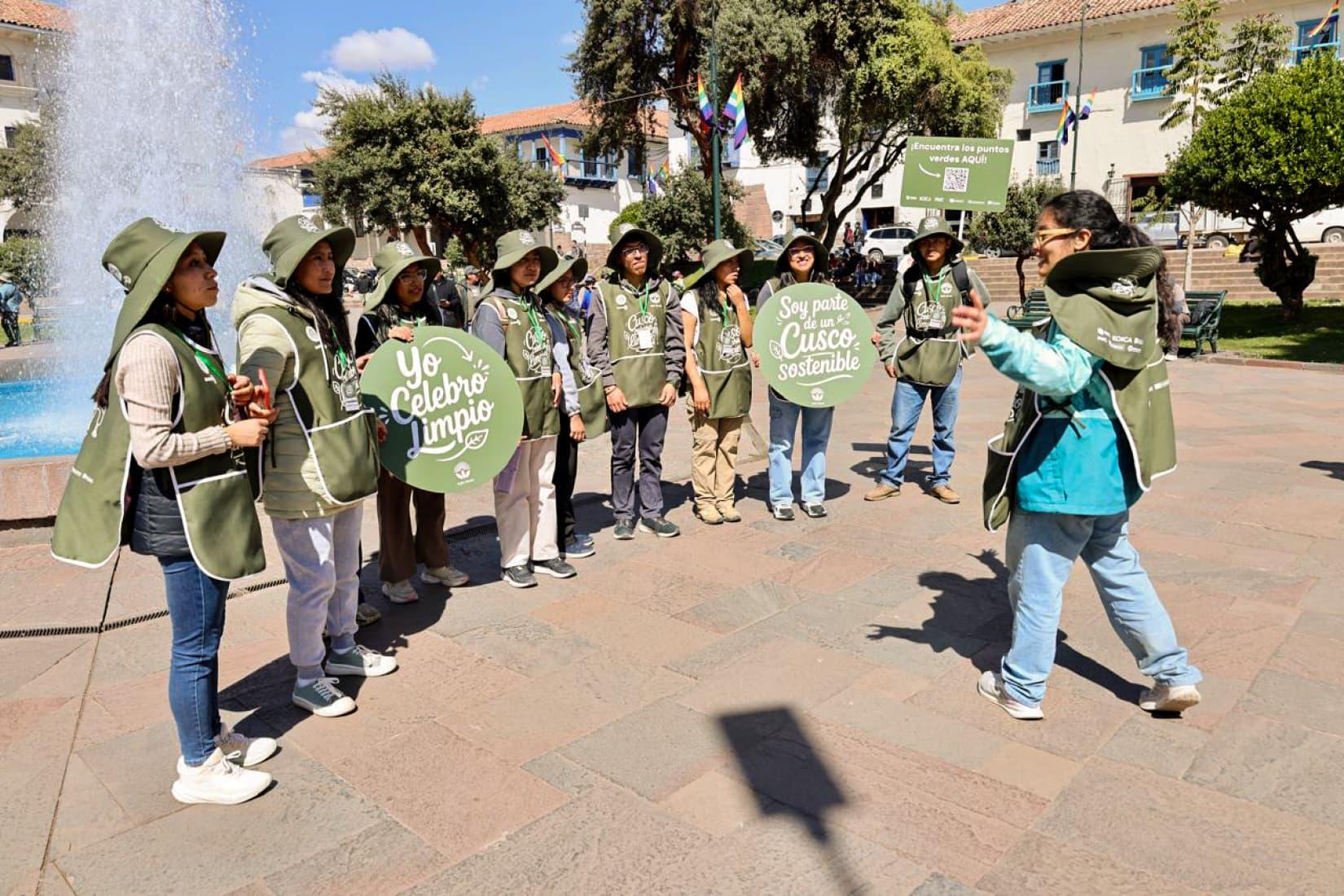
During the 2026 Cusco Festivities, the "Cusco Celebra Limpio" campaign—led by Ayllu Verde in coordination with local agencies—put this vision to the test:
- 35 waste separation stations were installed.
- Nearly four tons of recyclable materials were collected.
- According to UNESCO, all recovered materials were handed over to formal recycling associations.
- Over 160 environmental promoters raised awareness among residents, vendors, and travelers.
- Students and faculty from the Diego Quispe Tito National Art University recovered and reused 115 kilograms of cardboard in their festival parade floats.
This does not mean the waste crisis is solved. It proves that tangible, measurable actions exist and can be scaled up.
Tourism Leaves a Footprint. We Choose What Kind.
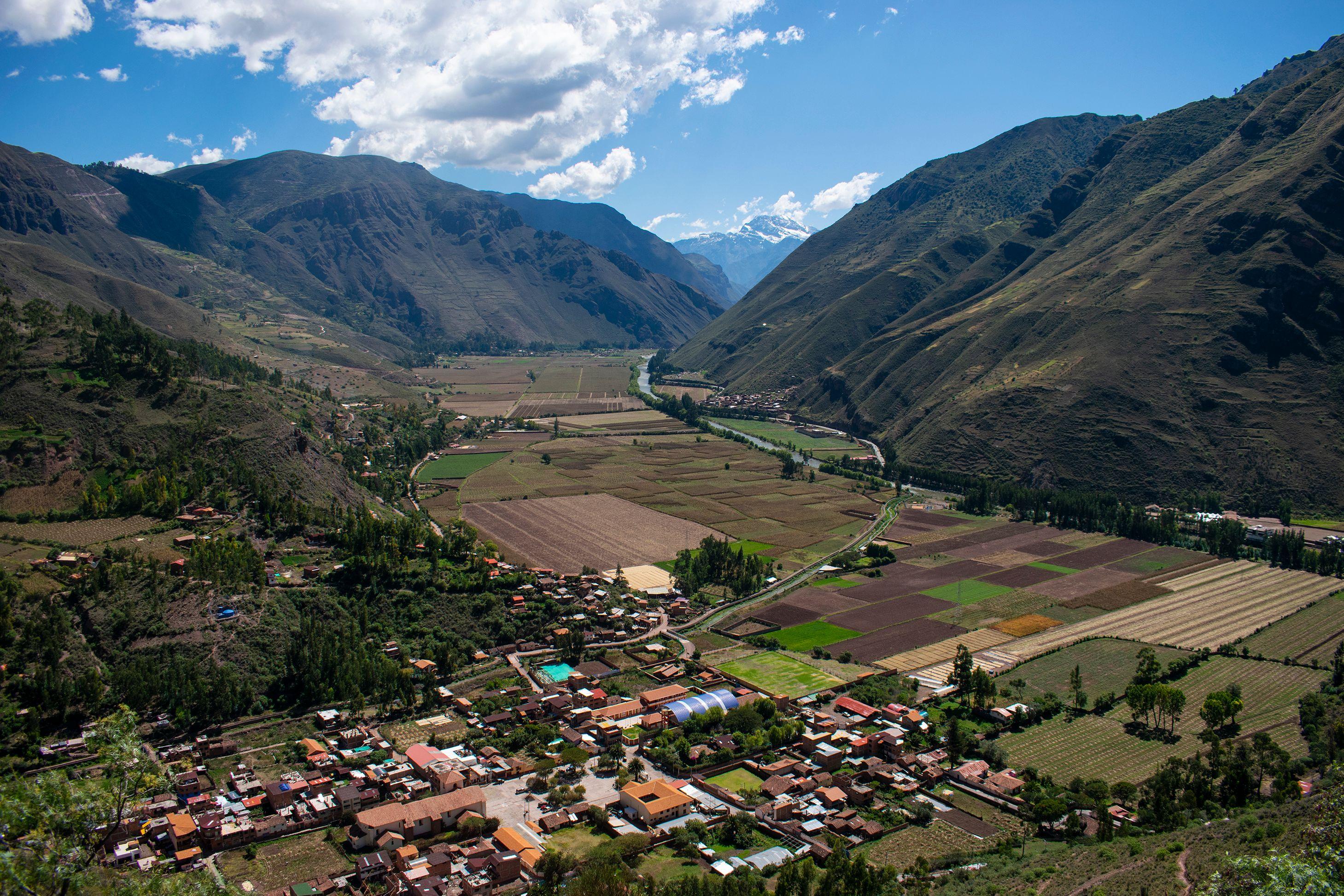
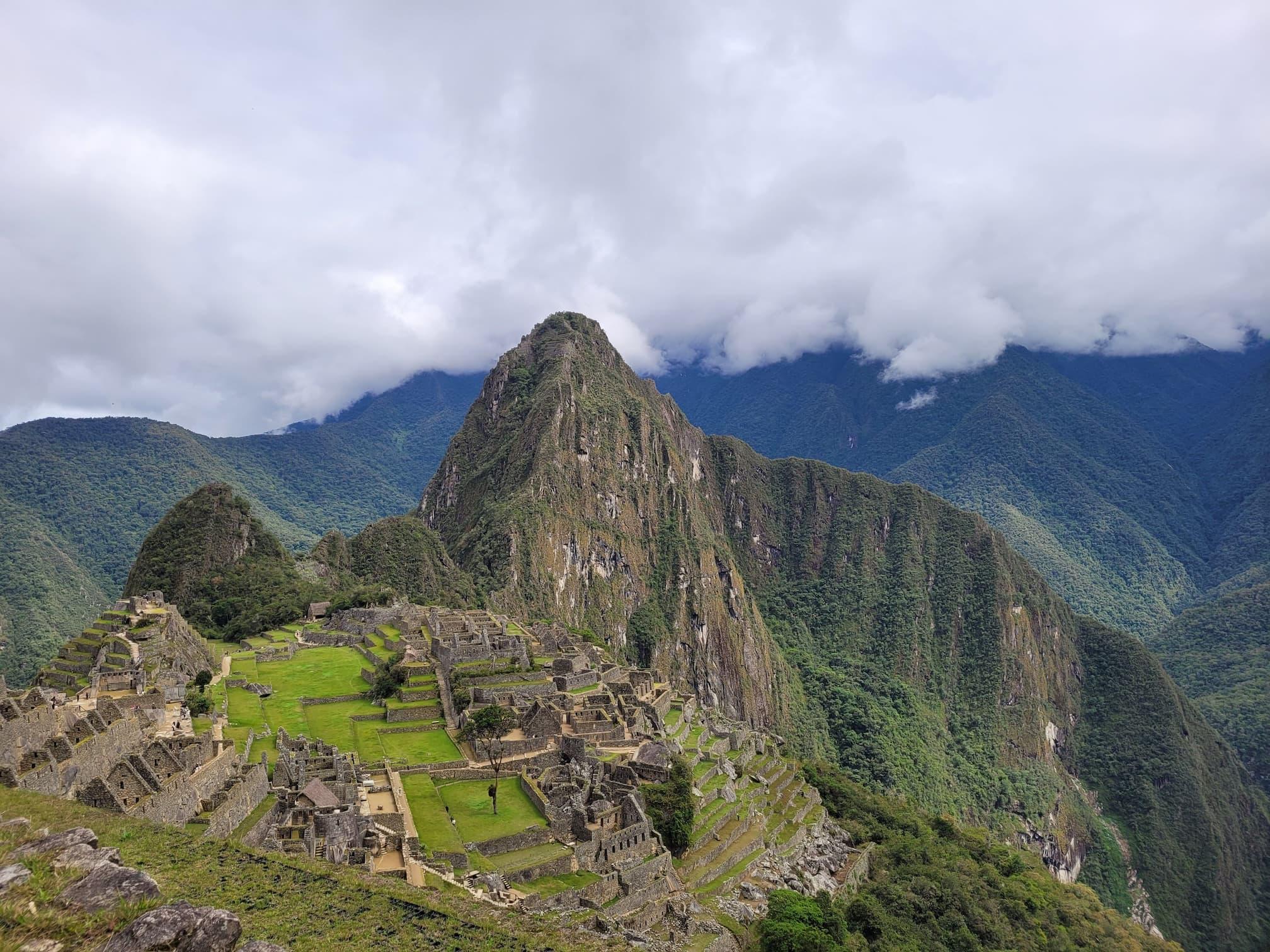
When traveling through the Sacred Valley, we often focus on landscapes, open-air markets, and cultural immersion. Rarely do we stop to consider what happens to the waste left behind. Taking care of a destination happens in the daily choices: refusing single-use plastics, sorting waste where infrastructure exists, and honoring the labor of frontline recyclers.
What makes Ayllu Verde compelling is how it connects small individual habits to a regional challenge: organizing waste systems in a shared territory where native communities live and travelers from across the globe arrive daily.
Stories Worth Following
At Green Heroes Map, we believe environmental impact is best understood when we can see who is acting, what they propose, and what concrete results they achieve. That is why we follow initiatives like Ayllu Verde: not to grant them an unearned green label, but to highlight how real solutions are being built on the ground in Cusco.
Because genuine transformation often begins with something as humble as an empty bottle. And with a different question: *what do we do with it next?*
*Discover more environmental initiatives and territorial connections on Green Heroes Map.*
---