What if your most cherished memory of the Sacred Valley was not a selfie at the most famous viewpoint?
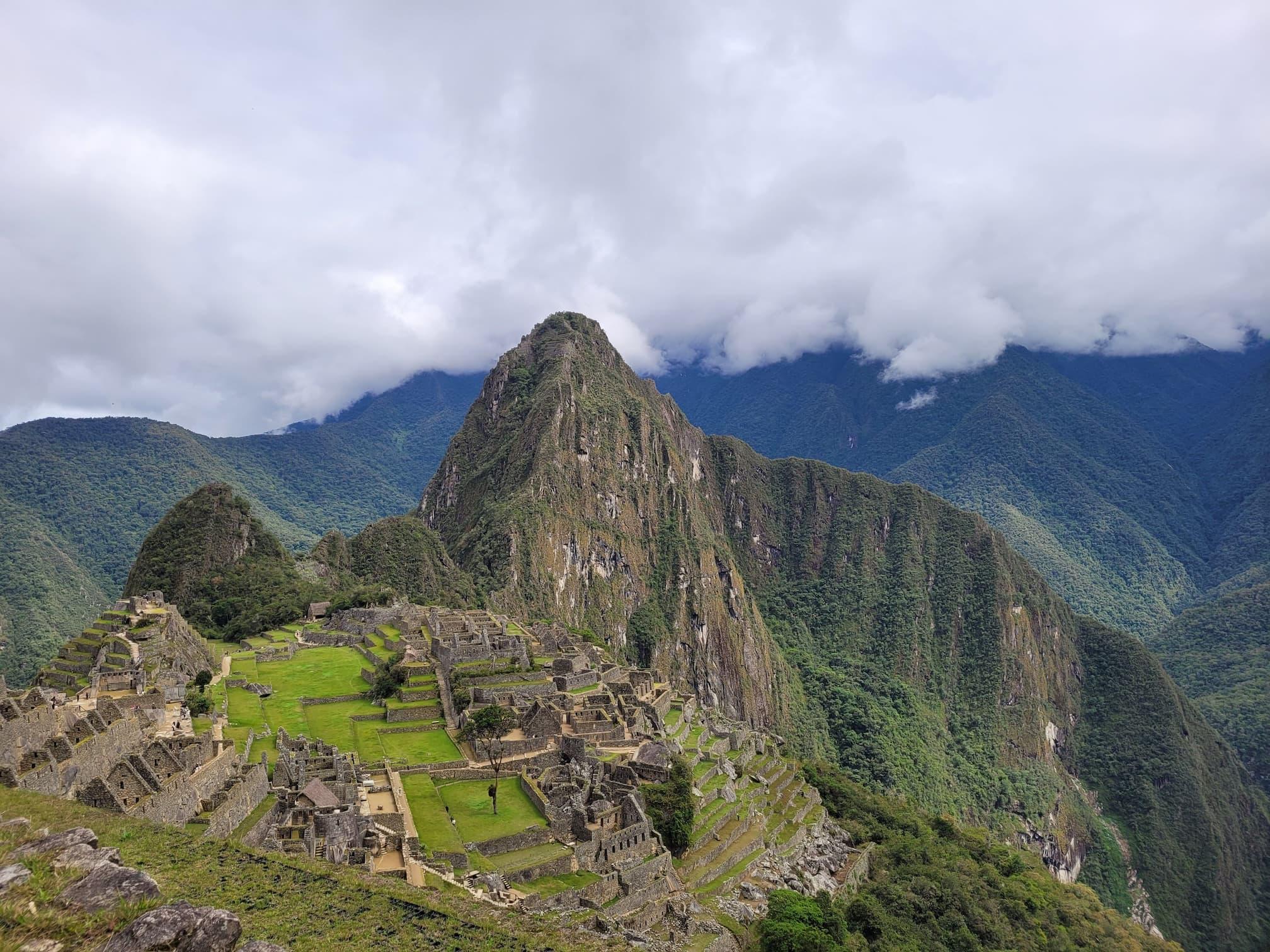
Pisac, Maras, Moray, and Ollantaytambo are undoubtedly remarkable. But rushing from site to site means missing much of what makes the valley extraordinary: the winding river, ancient agricultural terraces still cultivated, native biodiversity, and the choices we make as travelers.
If you are wondering what to do in the Sacred Valley, here is an invitation: less checklist, more curiosity.
Notice What Lies Between Destinations
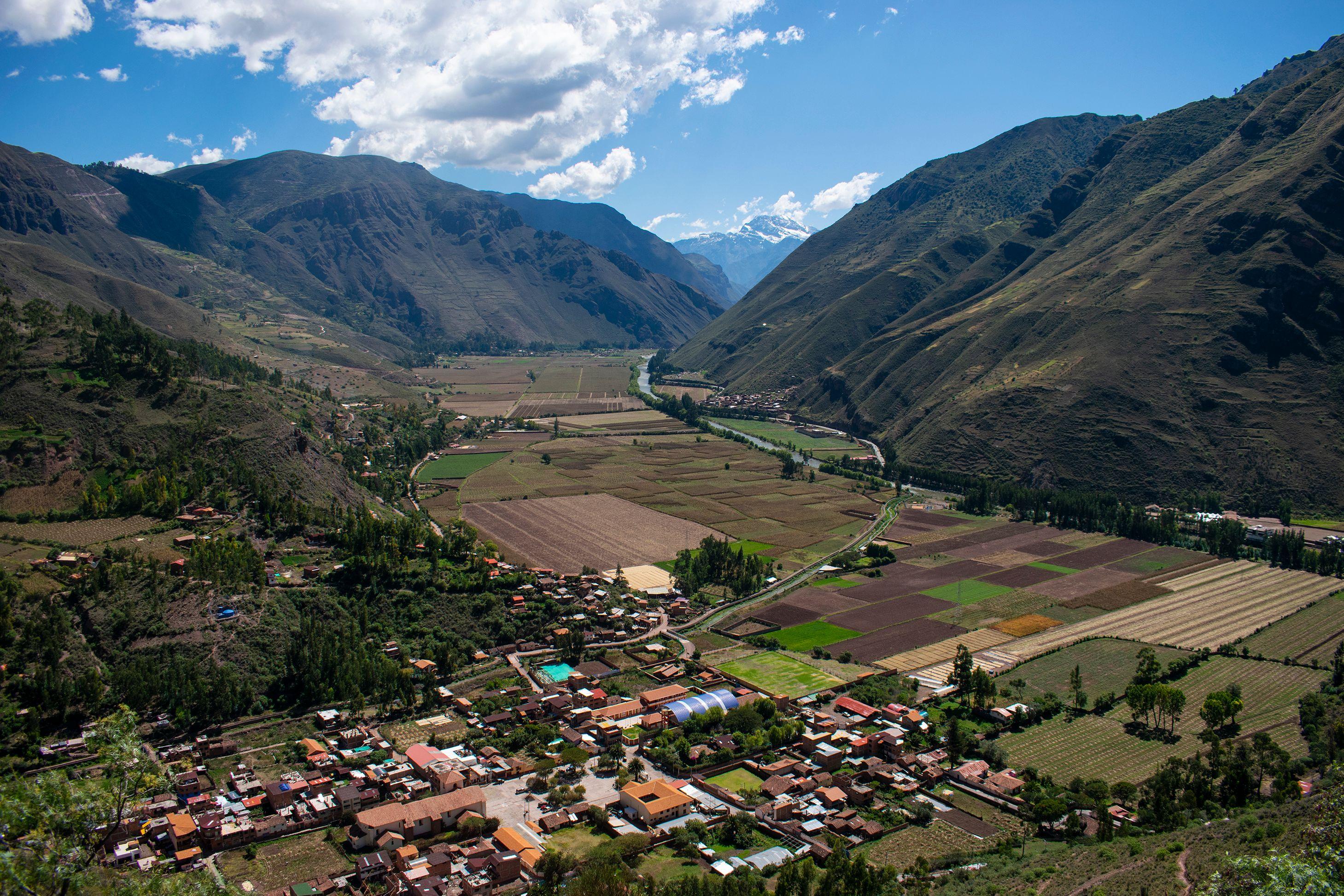
The Sacred Valley neither starts nor ends at archaeological gates. Between Pisac, Urubamba, and Ollantaytambo lies a working landscape of agroecological farms, trails, snow-capped peaks, and riverbanks. They are not mere scenery; they are ancestral homelands where families live and cultivate every day.
Consider dedicating more time to fewer places. Taking a quiet walk along an authorized trail or pausing to observe birds often leaves a deeper impression than rushing through an overloaded itinerary.
Three Meaningful Ways to Explore
1. Follow the Water
The river shapes every facet of the valley. Observing it from an established path helps underscore an essential truth: what happens upstream directly impacts communities downstream. Respecting riverbanks and leaving zero trace is not an act of heroism; it is the bare minimum.
2. Ask Questions in the Fields
The agricultural heritage of the Sacred Valley is vibrant and alive. If you participate in a farm tour or culinary experience, ask how the soil is nourished, how irrigation is conserved, and how organic waste is composted. Being "local" or "traditional" is not automatically synonymous with sustainable stewardship.
3. Experience Nature Without Intrusion
Cusco harbors remarkably diverse microclimates. When birdwatching or hiking, stick to designated paths, keep a respectful distance from wildlife, and never remove wild plants. The most rewarding encounters with nature leave no disturbance behind.
The Question Rarely Asked Before Booking
*"Is it eco-friendly?"* sounds great, but reveals very little. Instead, ask:
- How do you handle and sort your waste?
- What practices do you use to conserve water?
- What steps do you take to safeguard wildlife and native flora?
- Can you share specific examples?
No project is perfect. An initiative that candidly shares its areas for growth often earns more genuine trust than one claiming to be "100% sustainable."
A Different Journey Starts with How You Look
You can visit iconic landmarks while making conscious choices: carpooling, packing out your trash, honoring local guidelines, and choosing hosts transparent about their ecological footprint.
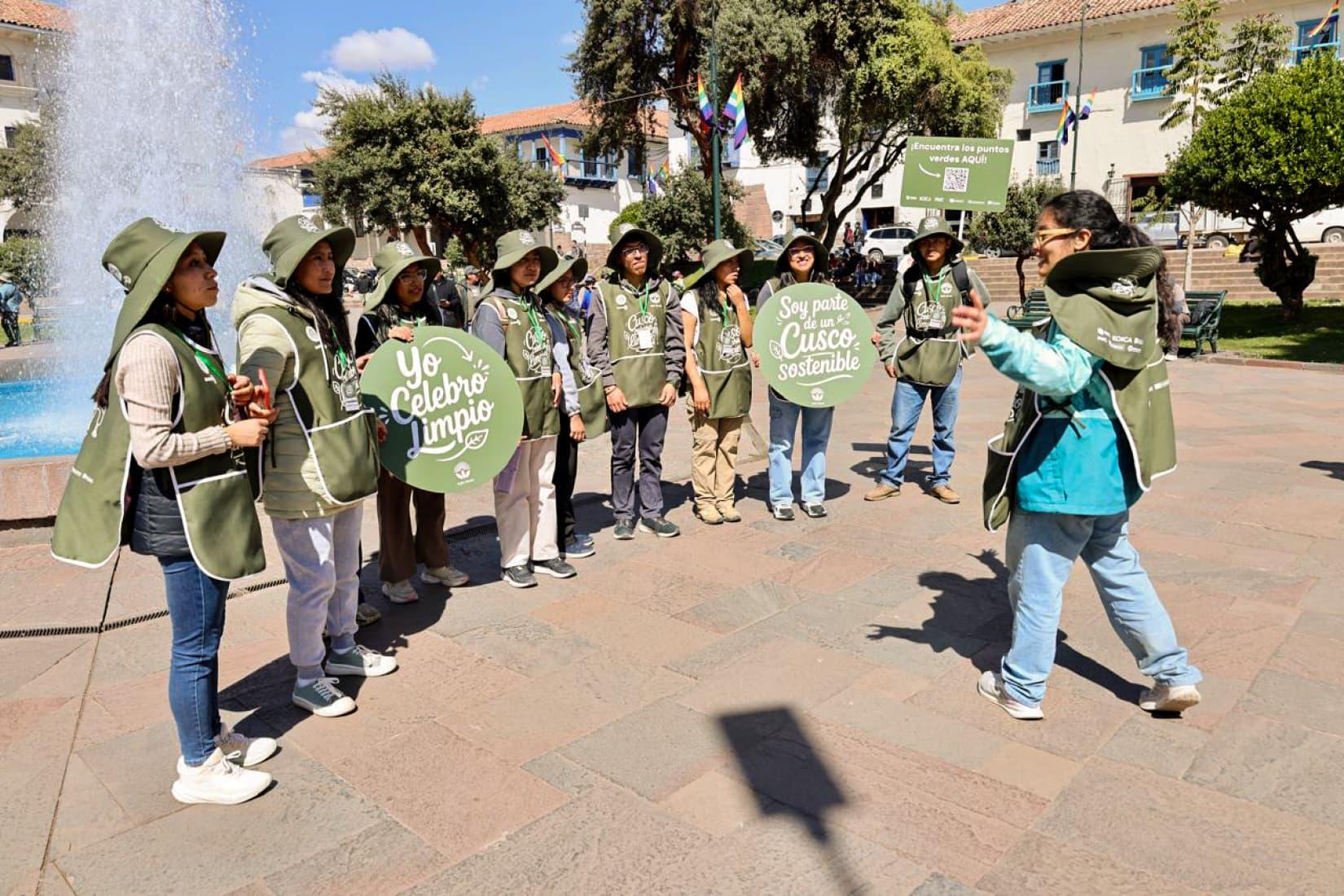
At Green Heroes Map, we want to make it effortless to discover the organizations leading positive environmental change across the Sacred Valley. Because traveling better is not about collecting green certificates: it is about knowing who you support, what practices you champion, and the living territory you visit.
*Explore environmental initiatives in the Sacred Valley on Green Heroes Map.*