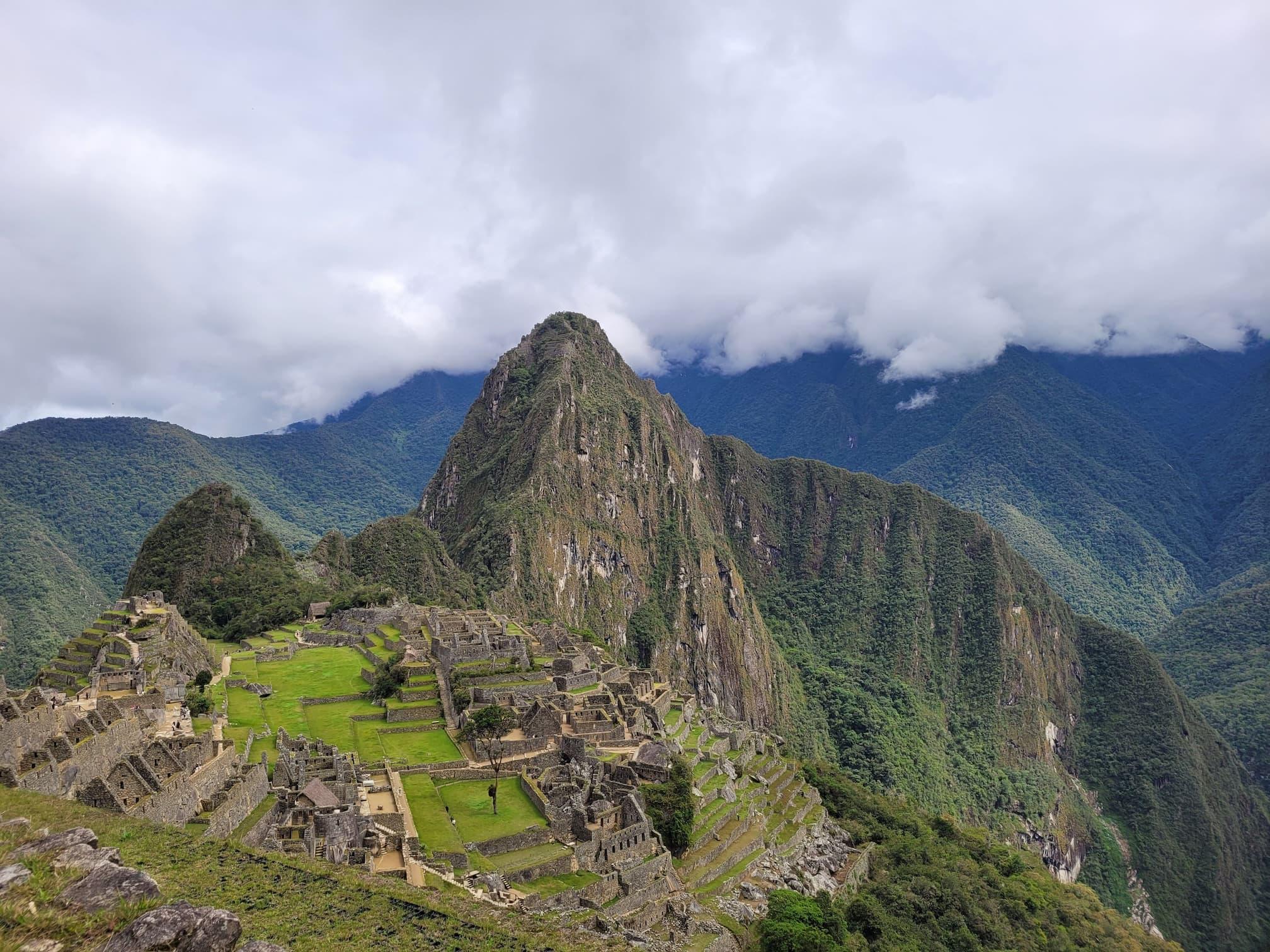
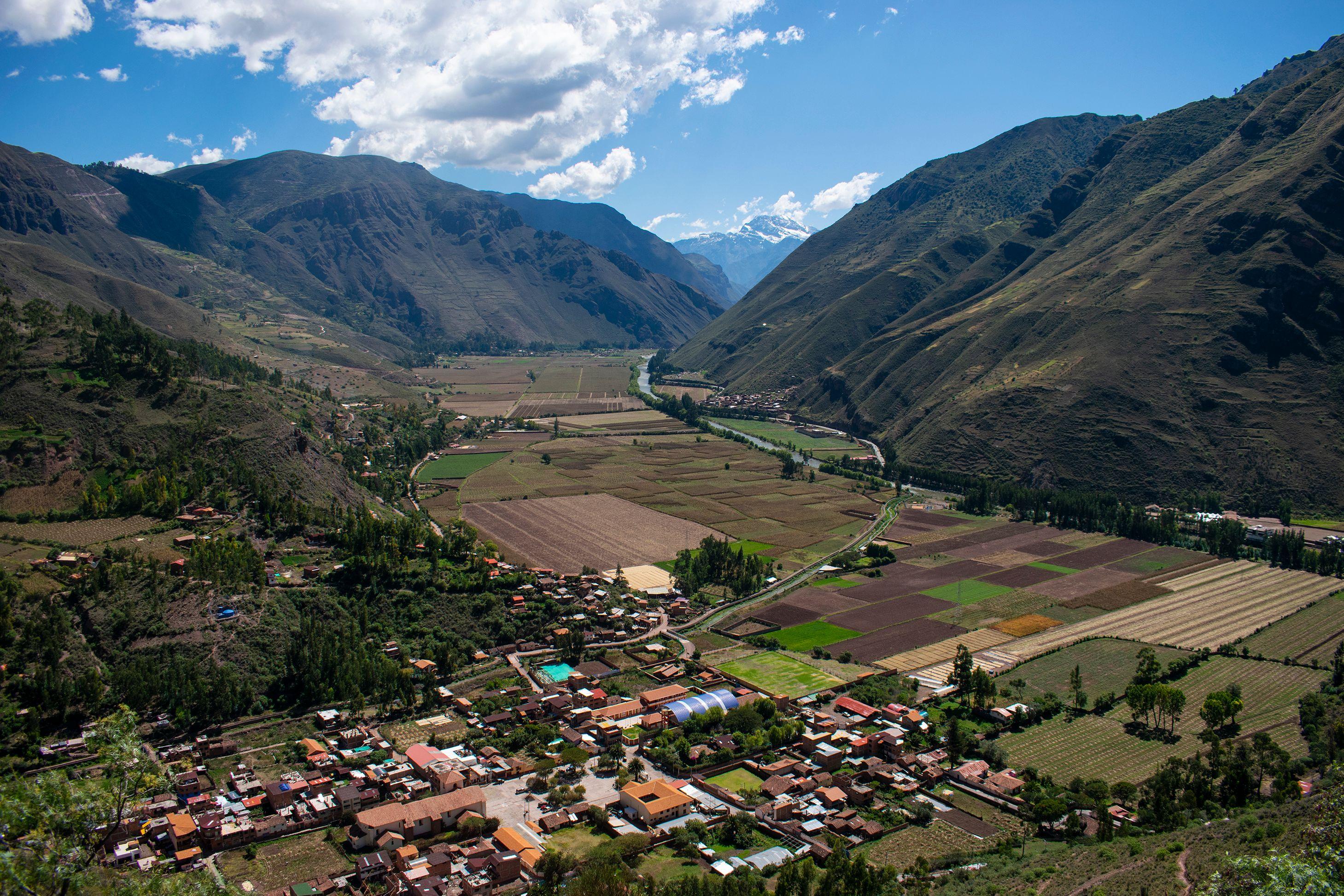
The photograph is stunning. The river, the jagged peaks, the terraced fields, that Andean light making everything seem perfectly in place.
Yet there are vital realities outside the frame: what happens to the water, where the garbage ends up, and what unfolds when fires threaten high-altitude ecosystems.
Examining environmental challenges in the Sacred Valley does not diminish its magic. It means appreciating the whole territory with honesty and care.
1. The River Is More Than a Scenic Backdrop
The Vilcanota–Urubamba River winds through the valley floor, connecting livelihoods, communities, and sensitive ecosystems. It also bears heavy environmental burdens. In 2025, the National Water Authority (ANA) monitored water quality along the basin, identifying pressures linked to untreated domestic wastewater and human activity.
This reframes how we look at the valley: it is not enough to admire the river from a bridge. How we consume water and what flows into it matters.
2. Waste Does Not Vanish When the Tour Ends
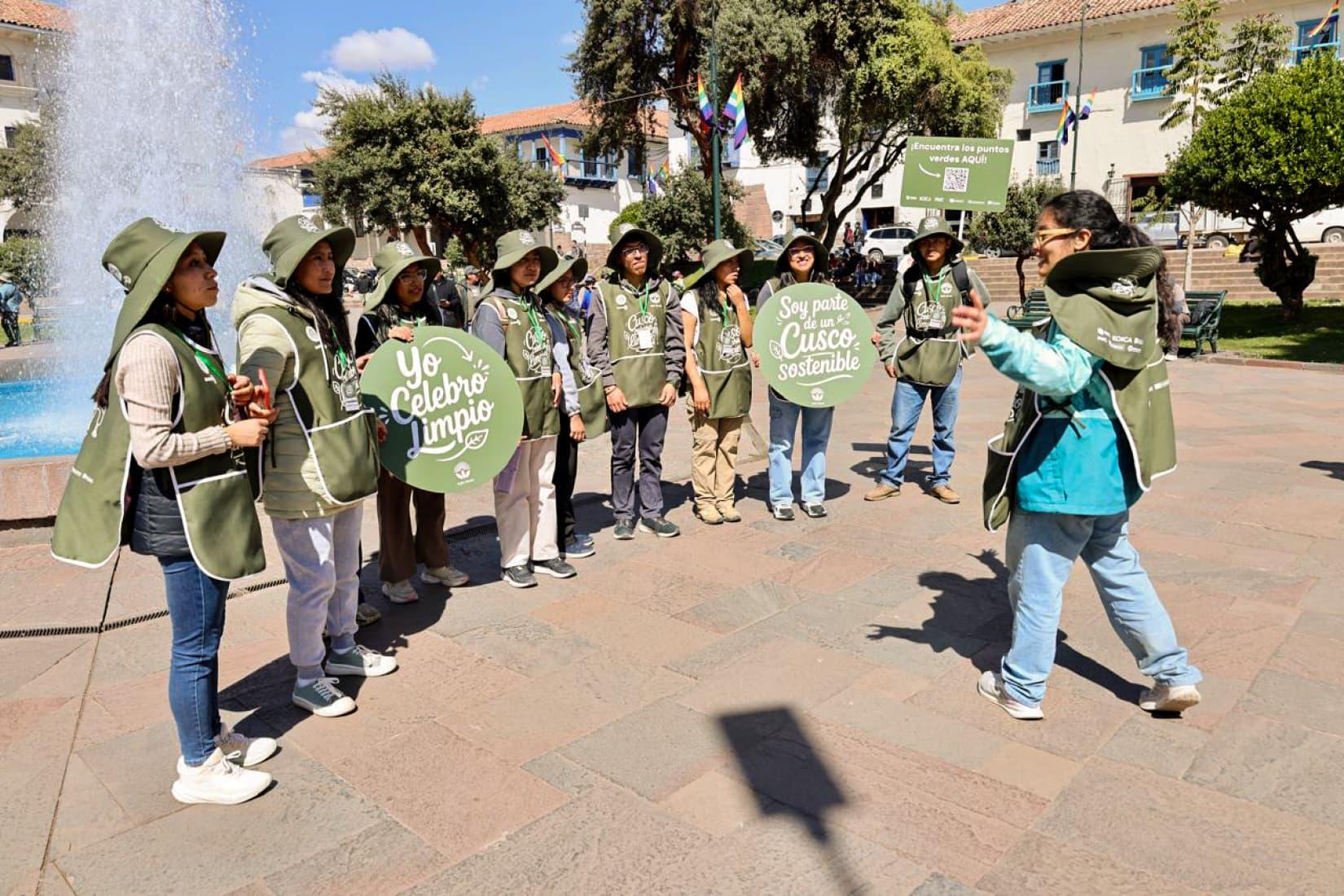
Plastic bottles, snack wrappers, leftover food: what we consume persists long after the camera shutter clicks. Managing municipal waste remains a significant challenge for local districts, businesses, and visitors.
In Urubamba, waste characterization studies and circular economy pilots are underway. This reflects ongoing commitment, even as broader structural challenges remain.
The simplest contribution remains immediate: generate less waste, say no to disposable plastics, and carry out whatever you bring in.
3. The Green Hills Can Burn
Wildfires represent a growing hazard for native vegetation, wildlife habitats, and fragile Andean topsoils. In 2026, SERFOR intensified training for community brigade members to prevent and respond to wildfires across Cusco, including Calca province.
Protecting a landscape means never lighting fires outside designated areas, disposing of smoking materials safely, and adhering to community guidelines.
Where Do We Go From Here?
First, stop thinking that responsible travel is about seeking an eco-badge. It is about asking better questions:
- How is waste sorted and managed on-site?
- What practices do you use to conserve water?
- What concrete steps are taken to minimize ecological footprints?
Second, look to those already pioneering answers. Local initiatives, grassroots collectives, and forward-thinking enterprises are testing better practices every day. Not all are at the same stage, which is why understanding their hands-on work matters more than hollow marketing slogans.
At Green Heroes Map, our mission is to bring you closer to that side of the Sacred Valley: the people and projects dedicated to climate resilience and environmental action.
*Explore grassroots environmental initiatives in the Sacred Valley on Green Heroes Map.*
---
In-Depth Sources
- National Water Authority (ANA) (2025). Water quality monitoring in the Urubamba–Vilcanota basin.
- National Water Authority (ANA) (2025). Environmental pressure assessment on water resources.
- Provincial Municipality of Urubamba (2025). Municipal solid waste characterization study.
- Provincial Municipality of Urubamba (2026). Inter-institutional coordination with Ayllu Verde.
- SERFOR (2026). Community wildfire brigade training in Cusco.